Short Answer: A 214(b) visa rejection occurs when the officer doubts your intent to return home. It’s often due to weak ties, financial concerns, or unclear travel plans. To overcome this, strengthen your ties, improve financial proof, and provide consistent, clear information in your next application. Vettstream can help you review and improve your profile before reapplying.
Being refused under Section 214(b) can feel frustrating and confusing. It’s one of the most common Visa Rejection Reasons for non‑immigrant U.S. visas, but it’s important to know that a 214(b) denial is not the end of the road. Anyone can reapply, and many applicants successfully get approved after making the right changes.
This guide explains exactly how to overcome a 214(b) visa rejection in 2026, clearly, step by step, and in a way that prepares you to win approval next time.
What Does a 214(b) Visa Rejection Actually Mean?
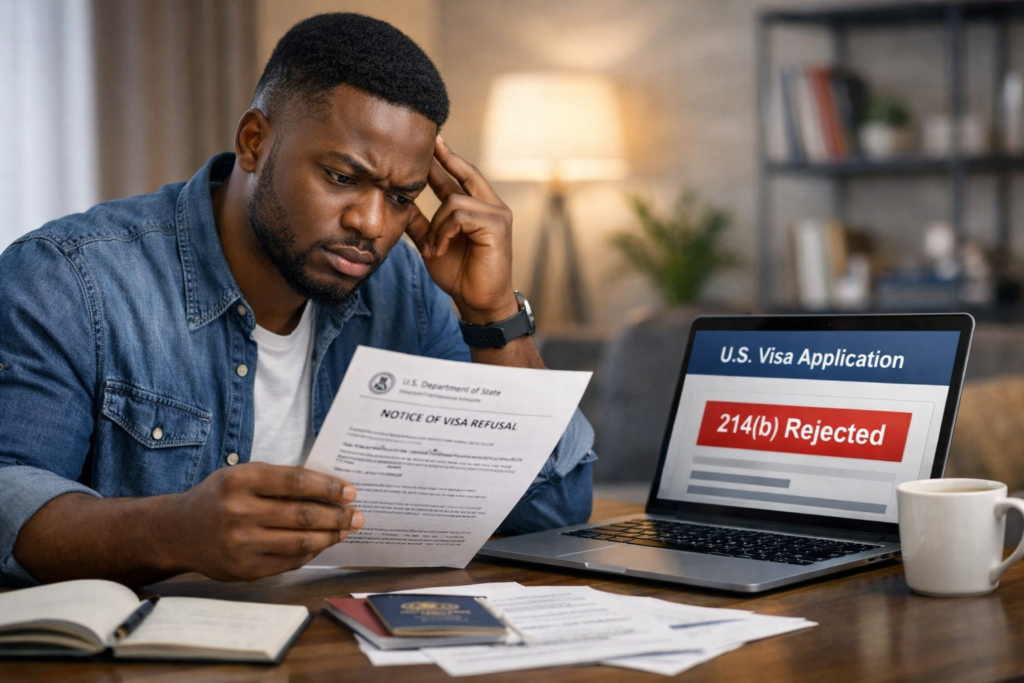
A 214(b) visa rejection means the consular officer was not convinced that you clearly qualified for a temporary non-immigrant visa or that you would return to your home country after visiting the U.S.
This decision is made under Section 214(b) of the Immigration and Nationality Act and tends to be based on concerns about your ties to home, credibility, or overall profile.
Unlike other refusals, there is no formal appeal process for 214(b). However, you can reapply at any time once you have stronger evidence to address the concerns raised in your previous application.
Why 214(b) Visa Rejections Happen
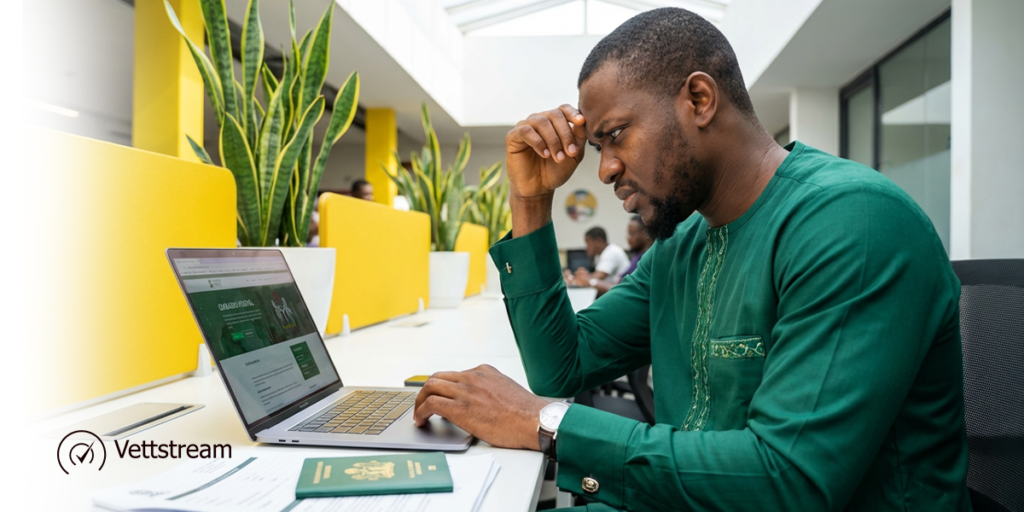
To overcome a 214(b) refusal, it’s crucial to understand the common issues that often lead to this type of Visa Rejection Reason. Many applicants mistakenly believe that their visa was denied due to an isolated problem, but in reality, it is often a combination of factors that causes consular officers to doubt their application.
- Weak Demonstration of Ties to Your Home Country
One of the primary reasons for a 214(b) visa rejection is the lack of strong ties to your home country. Consular officers need to see that you have substantial personal, professional, or economic connections that will compel you to return after your trip. These ties may include:
- Stable, long-term employment
- Ownership of property or a business
- Family relationships that require your presence
- Financial commitments like loans or investments
If these connections aren’t clearly demonstrated, the officer may doubt your intent to return home, which is a key factor in the visa application process. Simply put, the stronger your ties, the more likely you are to prove that you will not overstay your visa.
- Financial Concerns
A common cause of 214(b) rejections is insufficient proof of financial stability. Visa officers need to be convinced that you can fund your trip without relying on illegal employment or public assistance in the U.S. This includes:
- Showing bank statements that indicate sufficient funds
- Providing evidence of stable income or a job
- Presenting a clear and realistic travel budget
Without this proof, officers may believe that you lack the means to support yourself during your stay, which raises concerns about your financial independence and credibility.
- Unclear Purpose of Visit
If your travel intention isn’t consistent with the visa type you’re applying for, it can lead to doubt. For example, if you’re applying for a tourist visa (B2) but the officer believes your primary intent is to work or study, your Visa Rejection Reason will likely fall under 214(b). Similarly, if your purpose seems vague or contradictory, it can signal to the officer that you don’t have clear plans for your visit.
A clear and defined purpose is essential, whether you’re traveling for leisure, business, or to attend a specific event. Officers want to see a consistent story that aligns with your application type.
- Interview Performance
Your interview performance plays a significant role in overcoming a 214(b) refusal. Many applicants may be denied because of inconsistent answers or hesitation during the interview. This creates doubt about your intent and credibility.
To avoid this, ensure that your answers are clear, confident, and consistent with the information provided in your application. Practicing interview questions can help you present yourself as a trustworthy and genuine applicant. Being prepared will improve your chances of passing the officer’s scrutiny and ultimately help you overcome a 214(b) refusal.
Read Also: U.S. Visa Processing: What Does Social Media Vetting Mean for Africans? Best 2026 Guide
Step‑by‑Step: How to Overcome a 214(b) Visa Rejection
Here’s a practical approach that increases your chance of success when you reapply:
1. Understand Your Refusal
Carefully review your refusal letter and interview experience to identify the core concern. Was it ties, finances, travel, or something else? Knowing exactly what went wrong is the foundation of overcoming a 214(b) visa rejection.
2. Improve Your Ties to Your Home Country
Consular officers are most concerned with whether you will return home after your visit. Strengthen this by providing:
- Employment verification (letter from employer, contract)
- Proof of business ownership or professional commitments
- Property deeds or long‑term financial commitments
- Evidence of strong family responsibilities
These show that you have compelling reasons to return after your temporary stay.
3. Strengthen Your Financial Profile
Build a stronger case by preparing:
- Bank statements showing stable, long‑term savings
- Investment proofs or a consistent income history
- Tax records or financial assets that demonstrate stability
Steady financial records make it clear you’re not coming to the U.S. to work illegally or become financially dependent.
4. Clarify the Purpose of Your Visit
Before your next interview:
- Clearly outline your travel purpose
- Tie your visit to specific plans (meetings, study schedule, event invitations)
- Align your travel intention with your profile and finances
Consular officers want to see genuine, realistic reasons for temporary travel.
5. Update and Complete Your Application Form (DS‑160) Accurately
Errors or inconsistencies in your DS‑160 form can trigger misunderstanding. When you reapply:
- Complete every field accurately
- Ensure consistency between your application and interview answers
- Avoid contradictions that raise doubt
A clean, consistent application builds credibility.
6. Prepare for the Interview Like a Pro
A strong interview can significantly change the outcome. Make sure to:
- Practice clear and confident answers
- Explain what has changed since your last application
- Address how your situation is now stronger
- Demonstrate sincere intent to return home
Interview confidence can often carry as much weight as your paperwork.
7. Wait for Meaningful Changes Before Reapplying
Although you can technically reapply immediately after a 214(b) refusal, success is far more likely if your circumstances have significantly changed. Examples of meaningful changes include:
- Getting a stable job or promotion
- Starting a business or acquiring property
- Completing studies or gaining new qualifications
- Major life events (marriage, permanent responsibilities)
Consular officers need to see that your profile has evolved and that you have stronger reasons to return home.
Final Thoughts
A 214(b) visa rejection can be discouraging, but it doesn’t have to be permanent. By understanding why you were denied, strengthening your evidence, and preparing comprehensively for your next application, you can significantly increase your chances of success.
The key to overcoming a 214(b) denial is not simply reapplying, but reapplying better, with stronger ties, clearer financial proof, and a convincing interview strategy.
This is where tools like Vettstream can make a real difference. Vettstream helps you assess your visa risk profile before you reapply. It allows you to identify potential red flags in your application, ensuring that your documentation is complete and your online presence is aligned with your visa application.
With Vettstream’s guidance, you can confidently address the weaknesses in your profile, giving you the best possible chance for approval when you apply again. By taking the time to review your application thoroughly and ensure everything is in order, you can turn a 214(b) rejection into a stepping stone towards success.
Frequently Asked Questions
Can I reapply immediately after a 214(b) visa rejection?
Yes, you may, but it’s usually best to wait until you have new and stronger evidence that addresses the reasons behind your previous denial.
Does a 214(b) refusal mean I’m banned from the U.S.?
No. Unlike refusals based on inadmissibility, 214(b) is not a permanent bar. You can reapply once your situation improves.
Will having property or a business help?
Yes. Strong ties like employment, property ownership, or long‑term commitments in your home country demonstrate that you intend to return.