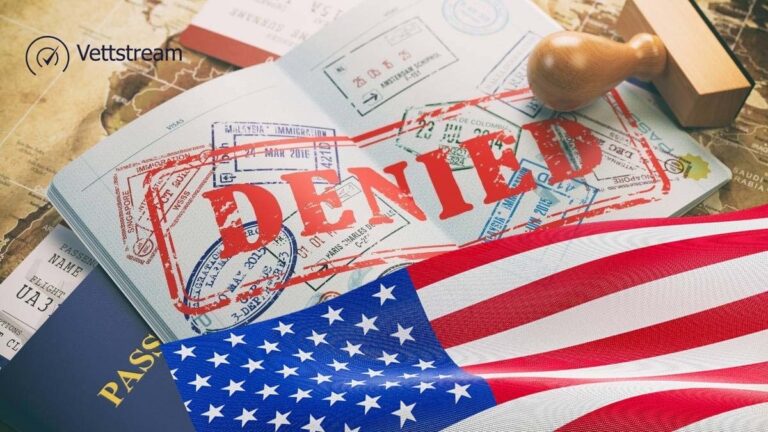
H1B social media vetting is now part of the modern visa screening process in the United States. During visa interviews, U.S. consular officers may review an applicant’s public online presence to confirm identity, employment history, and other details submitted in the visa application.
For H1B applicants, this means your digital footprint may now play a role alongside traditional visa documents such as the DS-160 form, the H1B petition filed by your employer, and your interview responses.
Consular officers may review publicly accessible profiles on platforms such as LinkedIn, Facebook, Instagram, X, TikTok, and YouTube. They may compare the information found online with the details provided in your visa application to ensure consistency.
If an applicant’s online presence contradicts the information in their visa petition or DS-160 form, it can lead to additional questions, administrative processing, or delays in visa issuance.
Preparing your online presence before your visa interview has therefore become an important step in the H1B visa process.
Why Social Media Is Important in Today’s Visa Screening Process
In previous years, visa adjudication relied mainly on documents, employer petitions, and in-person interviews. Today, digital identity has become an additional reference point for immigration officers.
Governments increasingly rely on publicly available online information to support identity verification and fraud prevention. The United States has expanded this approach by asking many visa applicants to disclose their social media identifiers as part of the visa application process.
This allows consular officers to cross-check publicly available information against what applicants report in official immigration forms such as the DS-160.
For H1B applicants, understanding how social media vetting works can help prevent unnecessary complications during the visa process.
Read Also: How Do I Overcome a 214(b) Visa Rejection: Complete 2026 Guide
What H1B Social Media Vetting Means for Visa Applicants
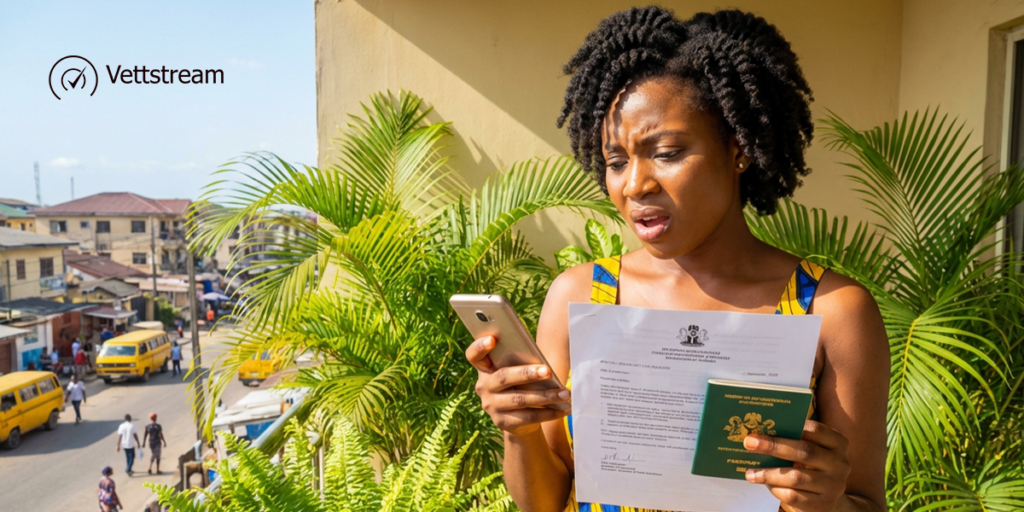
H1B social media vetting refers to the practice of reviewing an applicant’s publicly available online presence during the visa adjudication process.
As part of visa screening procedures, applicants may be asked to disclose the social media platforms and usernames they have used in recent years.
Consular officers may review publicly accessible information to confirm that the details align with the visa application and the H1B petition submitted by the employer.
The review may include examining:
- Public profile information
- Professional background details
- Education history
- Public posts or announcements
- Professional networks and affiliations
The purpose of this review is not to judge personal opinions or lifestyle choices. Instead, officers focus mainly on verifying identity and confirming the professional information presented in the visa petition.
Why the U.S. Government Reviews Social Media for H1B Visas
Social media vetting is part of the broader system used by immigration authorities to evaluate visa eligibility and maintain the integrity of the immigration process.
Several objectives guide this review.
Identity verification
Public social media profiles often contain names, photographs, and professional information that help officers confirm the applicant’s identity.
Employment verification
Employment information is central to the H1B visa process. Professional platforms such as LinkedIn may help officers confirm job titles, employers, and work history submitted in the visa petition.
Fraud detection
If publicly available information contradicts the details provided in the visa application, officers may need to investigate further.
Security screening
Visa adjudication also involves national security checks. Public online activity may provide additional context that helps authorities identify potential risks.
What Consular Officers Look for During H1B Social Media Vetting
Many applicants assume that consular officers review every social media post. In practice, the review is usually focused on verifying key information related to the visa application.
Officers may look for several types of information.
Identity consistency
Profile names, photographs, and identifying details should match the applicant’s identity.
Employment history
Professional platforms may help confirm job titles, employers, and employment dates.
Education credentials
Education information listed on social media profiles may be compared with academic credentials submitted in the visa application.
Professional activity
Public posts about work projects, promotions, or industry involvement may provide additional context about an applicant’s career.
Location information
Public posts or profile details may help confirm employment locations or travel history.
The review typically focuses on confirming facts rather than evaluating personal opinions or social behavior.
Social Media Red Flags That Can Delay an H1B Visa Interview Decision
While most applicants do not encounter issues during social media vetting, certain inconsistencies may require additional review.
Common red flags include:
- Conflicting employment details
If an applicant lists one employer in the visa petition but publicly claims employment with a different company online, officers may request clarification.
- Mismatched job titles or duties
Differences between the role described in public profiles and the role described in the H1B petition may raise questions.
- Inconsistent timelines
Differences in employment dates or education timelines can trigger additional checks.
- Misrepresentation of qualifications
Public claims about degrees or certifications that cannot be verified may create concerns.
5. Public activity contradicting visa intent
Posts suggesting work activities inconsistent with visa rules may lead to
additional scrutiny.
These issues do not automatically lead to visa denial, but they may trigger administrative processing or additional documentation requests.
Which Social Media Platforms May Be Reviewed During H1B Vetting
Visa applicants may be asked to list social media platforms used in recent years as part of the visa application process.
Common platforms that may be reviewed include:
- X
- TikTok
- YouTube
Among these platforms, LinkedIn often receives particular attention in employment-based visa cases because it contains detailed professional information.
Applicants should ensure that the employment and education details on professional platforms match the information provided in their visa applications.
How Social Media Inconsistencies Can Delay an H1B Visa
When consular officers identify inconsistencies that require clarification, they may temporarily pause the visa decision while additional checks are conducted.
This situation is commonly known as administrative processing.
Administrative processing may involve:
- Requests for additional documents
- Further background checks
- Additional review by immigration authorities
While many applicants eventually receive their visas after administrative processing, the additional review can delay visa issuance by several weeks or months.
Preparing your digital presence before the interview can help reduce the likelihood of such delays.
How to Prepare Your Social Media Before an H1B Visa Interview
Preparing your social media profiles before a visa interview can help ensure that your online presence supports the information in your application.
- Review your profiles
Check the main platforms where you maintain public profiles and confirm that the information is accurate.
- Verify employment information
Ensure that employer names, job titles, and employment dates match the details provided in the H1B petition.
- Review privacy settings
If the visa process requires publicly accessible profiles, make sure your accounts can be viewed during the screening period.
4. Check tagged photos and posts
Review older posts or tagged content that may display information publicly without your knowledge.
5. Avoid last minute changes
Making major changes immediately before the interview may raise additional questions.
How to Conduct a Digital Self Audit Before Your H1B Visa Interview
A digital self audit involves reviewing your online presence to ensure consistency across platforms.
During this process, applicants should examine:
- Profile names and biographies
- Employment history across professional networks
- Education information
- Public posts and professional announcements
- Tagged photos and comments
The goal is not to remove personal content but to confirm that publicly visible information does not conflict with the visa application.
A consistent digital identity can help simplify the visa screening process.
How Vettstream Helps Applicants Prepare for H1B Social Media Vetting
Reviewing years of online activity across multiple platforms can be challenging for many applicants.
Vettstream helps visa applicants analyze their public digital presence before their visa interview.
The platform assists applicants in identifying potential inconsistencies between their social media profiles and their visa application details.
By examining publicly visible information across multiple platforms, Vettstream helps applicants:
- Review their digital footprint
- Identify employment or education discrepancies
- Detect potential areas that could trigger additional scrutiny
- Prepare their online presence before visa screening
Using tools that analyze digital identity can help applicants approach the visa process with greater confidence and preparation.
Frequently Asked Questions About H1B Social Media Vetting
Can my H1B visa be denied because of social media?
Social media alone rarely leads to visa denial. However, if publicly available information contradicts the details in your visa application or suggests misrepresentation, it may lead to additional questioning or administrative processing.
Do H1B applicants need to make their social media accounts public?
Some visa applicants may be asked to ensure their social media profiles are publicly accessible so consular officers can review them. This allows officers to verify identity and confirm that the information provided in the visa application is accurate.
What social media platforms are reviewed during H1B visa screening?
Consular officers may review platforms such as LinkedIn, Facebook, Instagram, X, TikTok, and YouTube. Professional platforms like LinkedIn often receive particular attention because they contain employment and education information.
Do consular officers read private messages during social media vetting?
Visa officers typically review only publicly available information. Private messages and content restricted by privacy settings are generally not accessed during the review process.
What happens if my LinkedIn profile does not match my H1B petition?
If there are differences between your LinkedIn profile and your H1B petition, consular officers may ask questions during the visa interview or request clarification. Minor inconsistencies can often be resolved, but significant differences may lead to additional review.