Skip to content
Vettstream Blog
  • Contact us
Get Started
Vettstream Blog
  • Contact us
Get Started
Vettstream Blog

Category Uncategorized

  • Uncategorized
When Can I Apply for US Visa After Rejection 214(b)
  • Michael emmanuel
  • March 13, 2026

When Can I Apply for US Visa After Rejection 214(b)?

  • Uncategorized
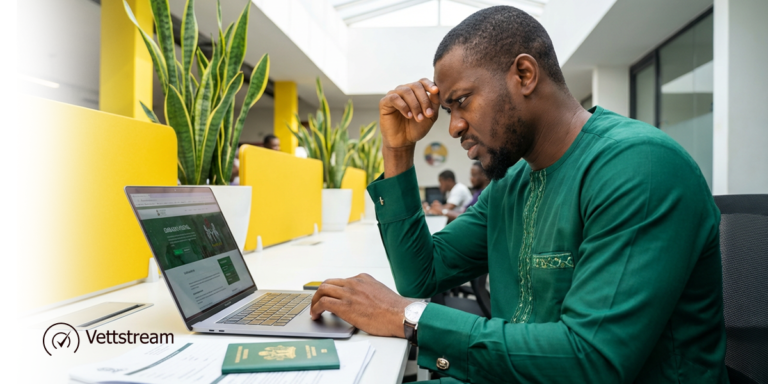
Man worried over H1B Social Media Vetting
  • Michael emmanuel
  • March 12, 2026

H1B Social Media Vetting: What Applicants Must Know Before Their Visa Interview

  • Uncategorized
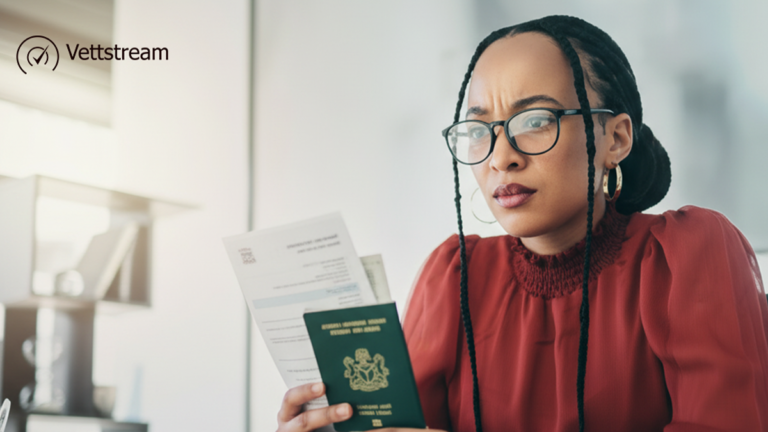
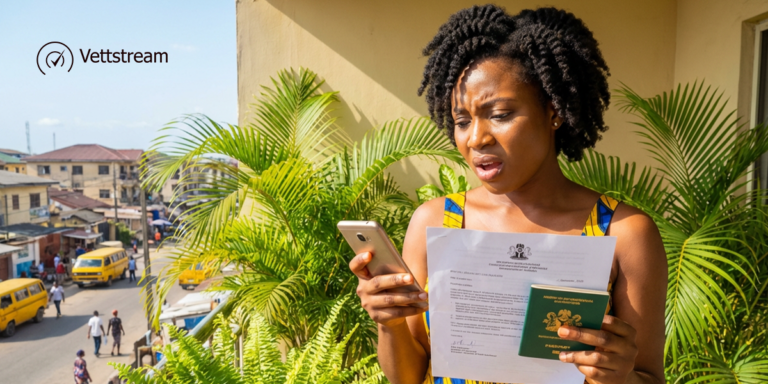
A woman holding her international passport and wondering how she can overcome 214(b) visa rejection
  • Michael emmanuel
  • March 6, 2026

How Do I Overcome a 214(b) Visa Rejection: Complete 2026 Guide

  • Uncategorized
U.S. Visa Processing: What Does Social Media Vetting Mean for Africans? Best 2026 Guide Social media vetting is becoming an essential part of the U.S. visa application process. As of 2026, applicants seeking student, work, and exchange visas must disclose their social media presence. But what does social media vetting mean for you, and how can you ensure you're prepared for this new layer of scrutiny? In this article, we'll break down what social media vetting entails, who it affects, the steps you need to take, and how you can avoid common mistakes that may jeopardize your application. Whether you're applying for an F-1 visa or H-1B, understanding this process is crucial to making sure your online presence aligns with your visa application. Understanding Social Media Vetting in the Visa Process Social media vetting refers to the U.S. government’s review of publicly visible online content as part of the visa adjudication process. In 2026, F, M, J, H-1B, and H-4 visa applicants will be asked to disclose their social media profiles. This review is designed to help consular officers verify your identity, detect fraud, ensure security, and check the consistency of the information in your application. Key Goals of Social Media Vetting: Identity Verification: Officers check your social media to ensure the information provided in your application matches your public online persona. Fraud Detection: By examining your social media, officers can spot signs of misrepresentation, fake identities, or fraud. Security Checks: This vetting helps identify links to extremist groups or content that may pose a security threat. Consistency Review: The goal is to check if your online presence aligns with the details you provide in your visa application and interview. Who is Impacted by Social Media Vetting in 2026? In 2026, social media disclosure applies to all non-immigrant visa applicants, particularly F-1, M-1, J-1, and H-1B visa applicants. If you're applying under one of these categories, you will likely be asked to list the social media platforms you've used in the past five years, along with your associated usernames. This vetting process is not unique to students and extends to other visa categories as well, including those applying for work or exchange programs. The review is part of a larger vetting procedure that includes document verification, financial checks, and interviews. What You Must Disclose: Social Media Platforms and Usernames As part of your visa application, you will be asked to disclose the social media platforms and usernames you've used within the last five years. This information will be cross-checked by consular officers to ensure consistency with your visa application. What to Include: The social media platforms you’ve used (e.g., Facebook, Twitter, Instagram). Your usernames or handles for those platforms during the past five years. What Not to Include: Passwords: You are not required to provide passwords. Private Messages: Only publicly visible content will be reviewed. Deleted Content: Any content deleted from your account is not considered. Inactive Accounts: If you haven’t used an account in years but it existed during the lookback period, you must list it. How the Social Media Vetting Process Works After you've submitted your social media information, consular officers will review publicly visible content. Here’s what they’re looking for: Identity Alignment: Does your profile match the details in your visa application, such as name, education, and employment? Consistency: Are the details on your social media profiles consistent with your application information, such as travel dates and life events? Red Flags: Officers look for suspicious activity such as links to extremist groups, threats, or unlawful behavior. The review is typically limited to publicly visible content, meaning officers will not access private messages or posts hidden behind privacy settings. Only information that is publicly available will be considered. Tips for Preparing for Social Media Vetting To make sure you’re fully prepared for social media vetting, follow these simple steps: Audit Your Public Footprint: Search for your name and usernames online to see what publicly appears. If something doesn’t match your application details, correct it where possible. Update Your Social Media Profiles: Make sure your education, employment, and location details are up to date and accurate across all public profiles. Don’t Hide Information: If you’ve used social media platforms in the past, disclose them. Transparency is key. Omitting accounts could raise red flags. Review Your Privacy Settings: Set your accounts to public before your interview to avoid last-minute changes that could raise suspicion. Remove Inconsistent or Outdated Accounts: If you have duplicate, inactive, or abandoned accounts, consider cleaning them up to avoid confusion during the review process. What NOT to Do During Your Social Media Audit Don’t Omit Accounts: If you used a platform within the required timeframe, disclose it—even if the account is inactive. Don’t Change Details: Avoid suddenly altering your profiles to match your visa application. Making drastic changes can raise suspicions. Don’t Delete Content: Deleting posts or accounts at the last minute can be seen as an attempt to hide something, which could harm your application. Don’t Misrepresent Yourself: Be honest about your social media presence. Any attempt to mislead the consular officer can have serious consequences. The Key Takeaway: Be Consistent and Transparent Social media vetting for U.S. visas in 2026 is about consistency, transparency, and ensuring that your online presence reflects the information you provide on your application. By following the steps outlined above, you can confidently navigate this process without unnecessary stress. Whether you’re applying for a student visa, an exchange visa, or a work visa, social media vetting is just one part of the broader vetting process. By staying truthful and prepared, you can avoid unnecessary delays or complications. Frequently Asked Questions Q: What if I’ve never used social media? A: If you haven’t used social media in the past five years, you can simply state that on your application. Q: What if my social media handles have changed? A: You must disclose any previous handles used during the five-year period, even if you no longer use them. Q: Can my visa be denied because of a post? A: Social media vetting is just one part of the application process. Visa decisions are based on a variety of factors, including your overall application, interview, and financial documentation. What Does Social Media Vetting Mean
  • Michael emmanuel
  • March 5, 2026

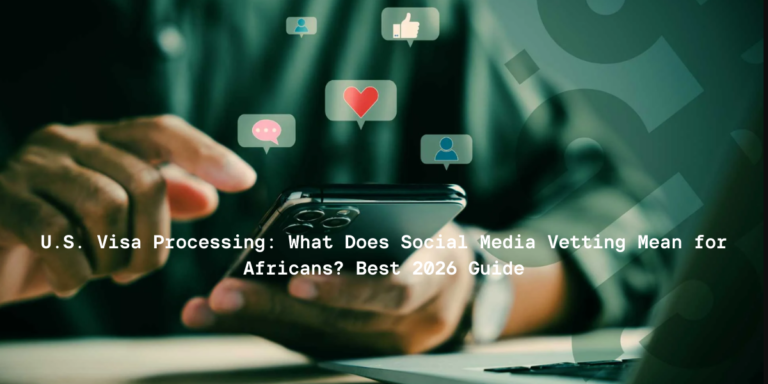
U.S. Visa Processing: What Does Social Media Vetting Mean for Africans? Best 2026 Guide

  • Uncategorized
Image of a lady checking her phone to Check her Visa Rejection Reason
  • Vettstream
  • February 26, 2026

How to Check Visa Rejection Reason: What Embassies Don’t Tell You
Empowering High Achievers to Establish Presence In The USA

Begin your Jorney

+1-774-373-4206
info@veripass.org
14160 Dallas Parkway,
Dallas Texas 75254.

Facebook-f Github Twitter Google

Category

  • Lifestyle
  • Technology
  • Travel
  • Business

Weekly Newsletter

Get blog articles and offers via email

©2026 FinestDevs. All Rights Reserved..

  • Privacy
  • Terms
  • Support